Elimination
(소거)
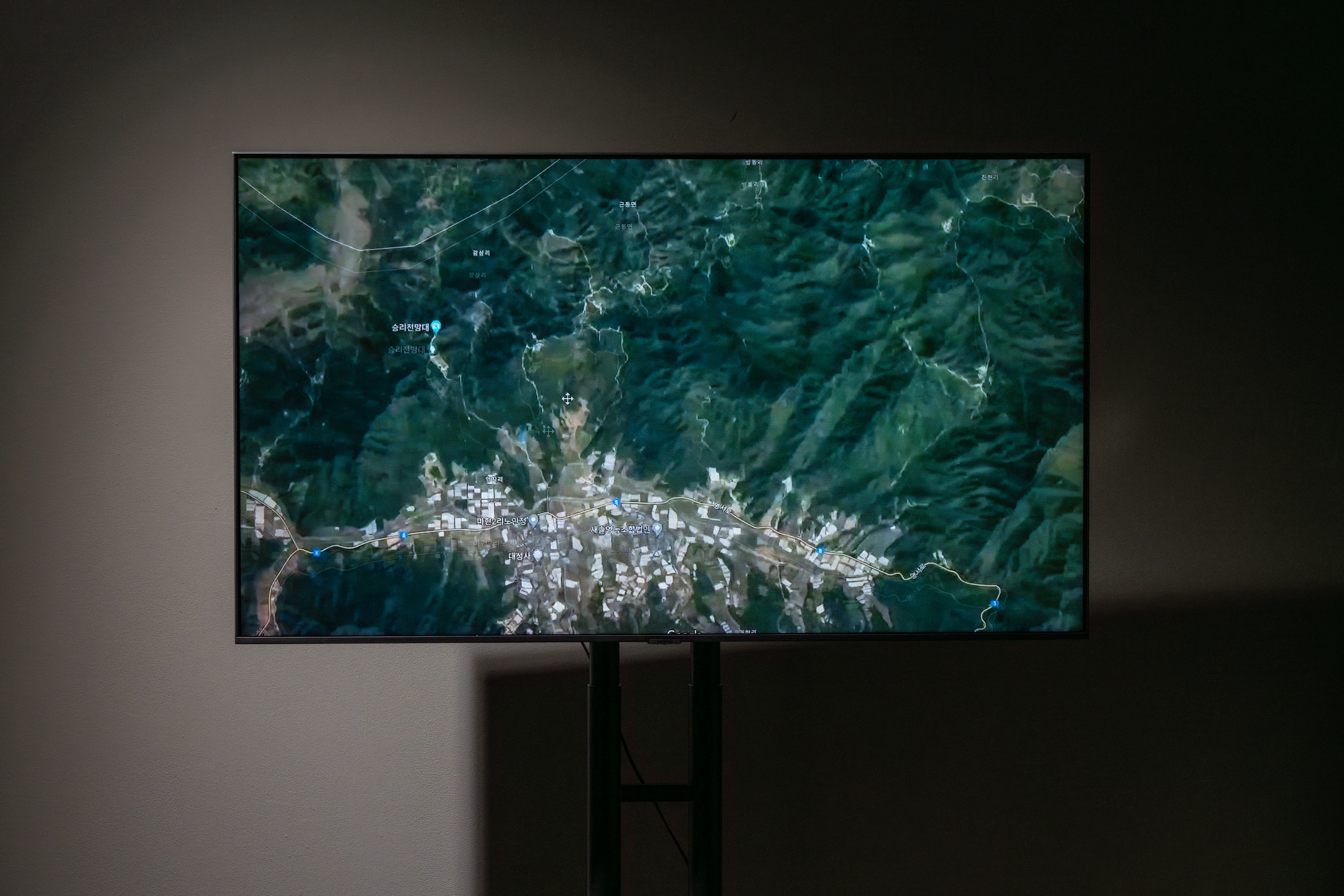
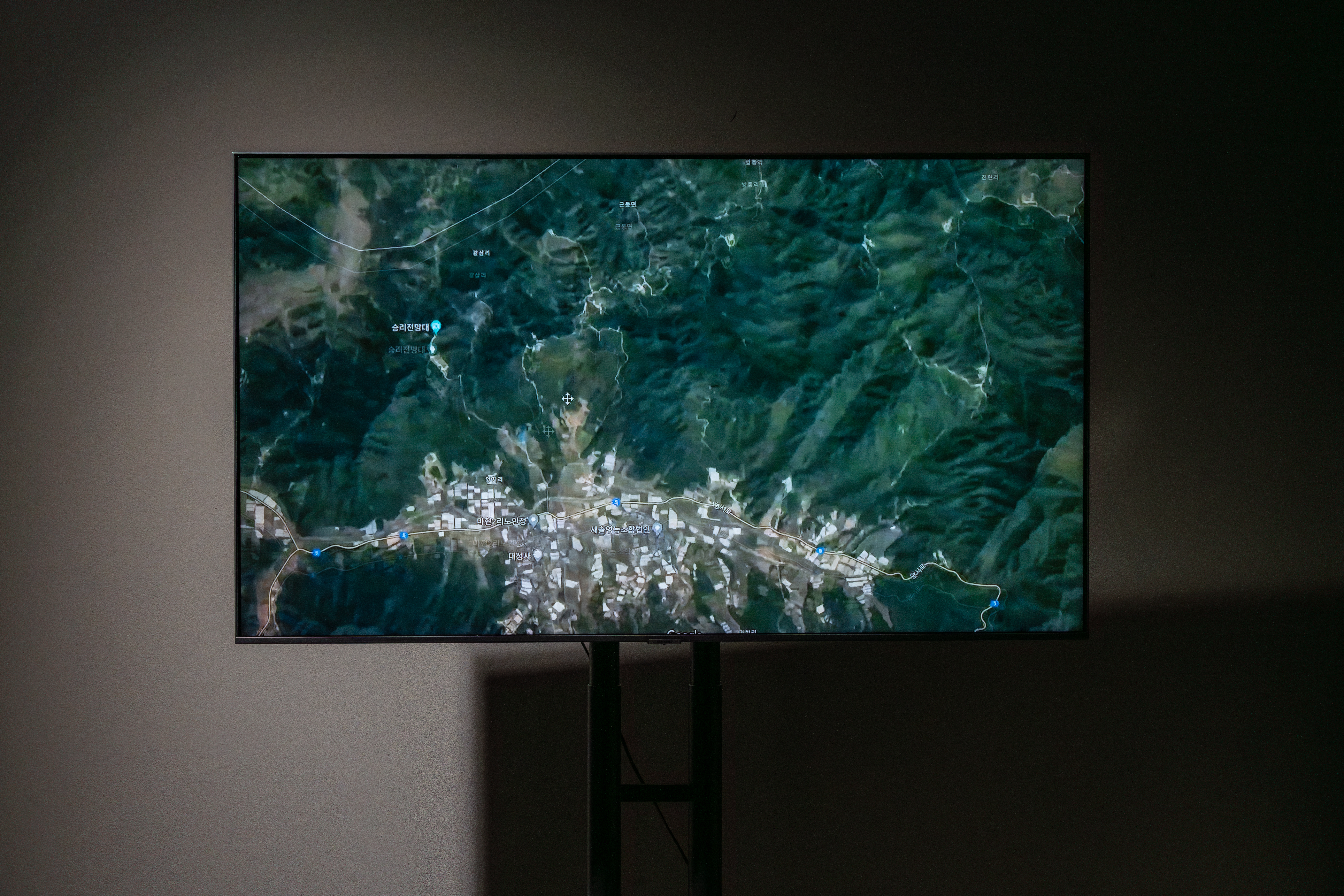
우리는 오늘날 실제의 풍경보다 위성 지도가 제공하는 '기계적 감각'에 더 깊이 의존하며 살아간다. 입체적인 현실의 공간이 2D 지도를 거쳐 디지털 인터페이스로 변환되는 과정에서, 수많은 정보는 소거되고 공간은 납작하게 압축된다. 본 작업 <소거>는 우리가 너무나 당연하게 받아들이는 이 디지털 변환 과정에서 필연적으로 탈락하는 것들, 그리고 그 ‘납작한 세상’에서 길을 잃어버리는 현대인의 감각을 추적한다.
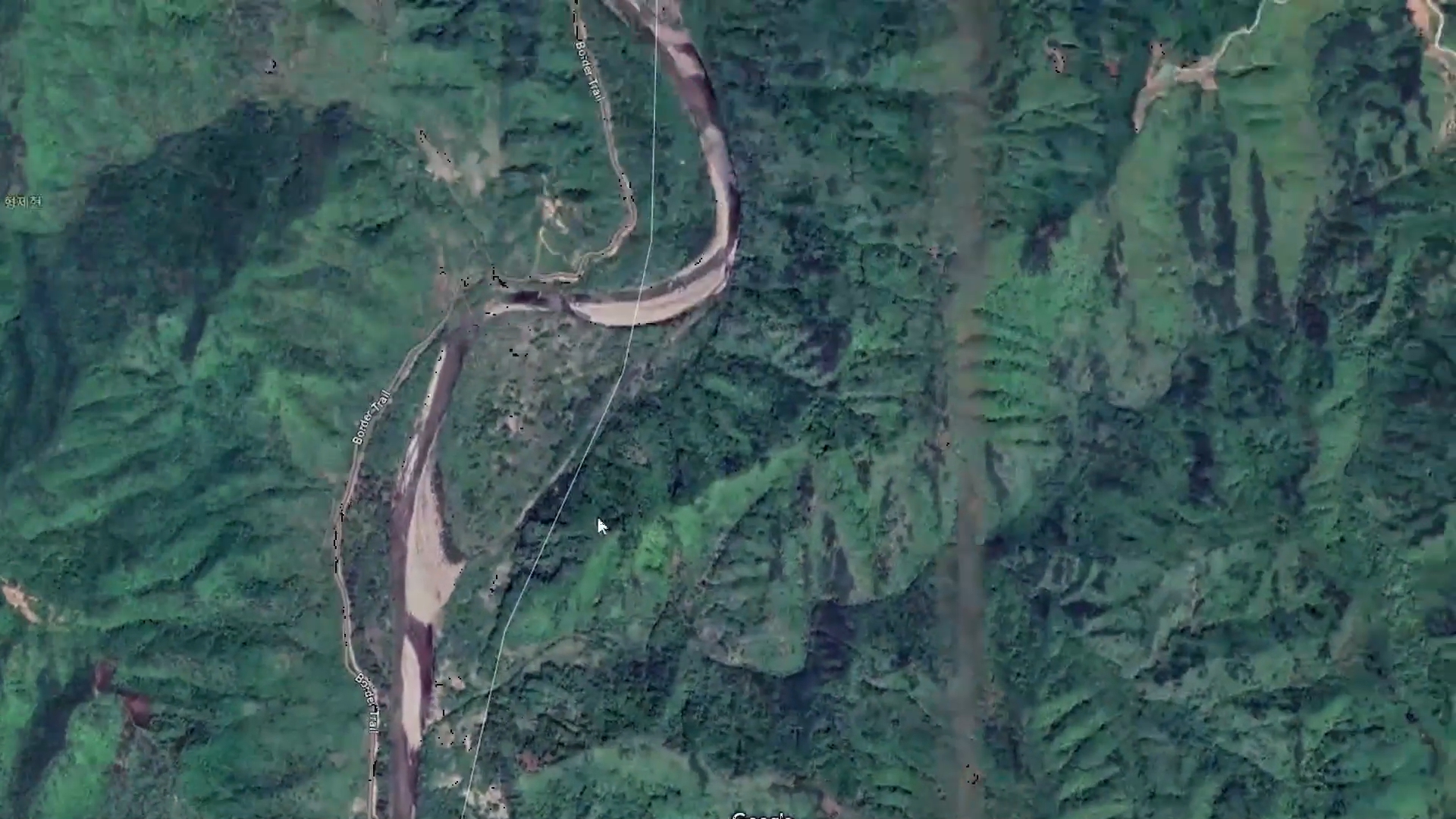
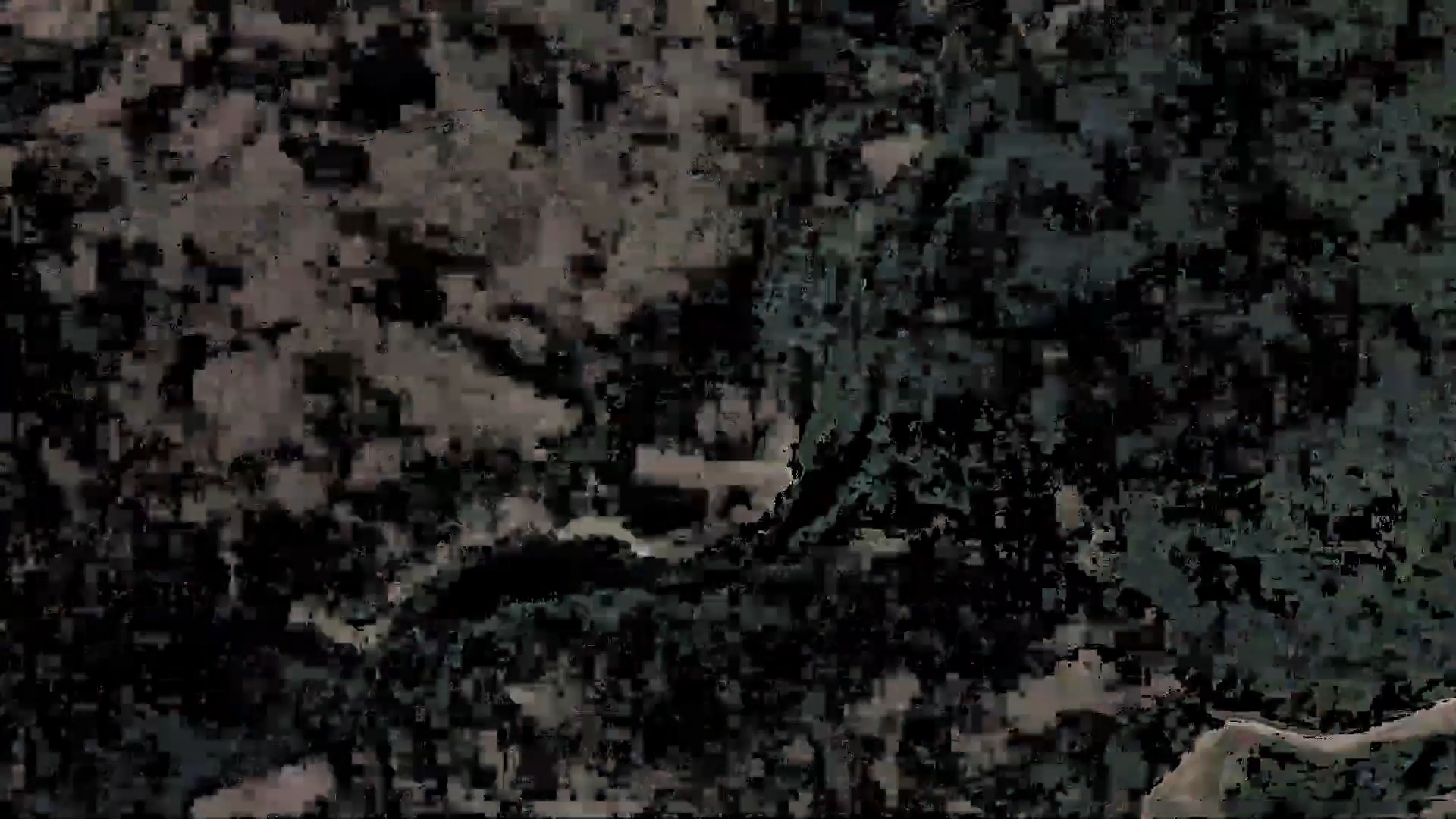
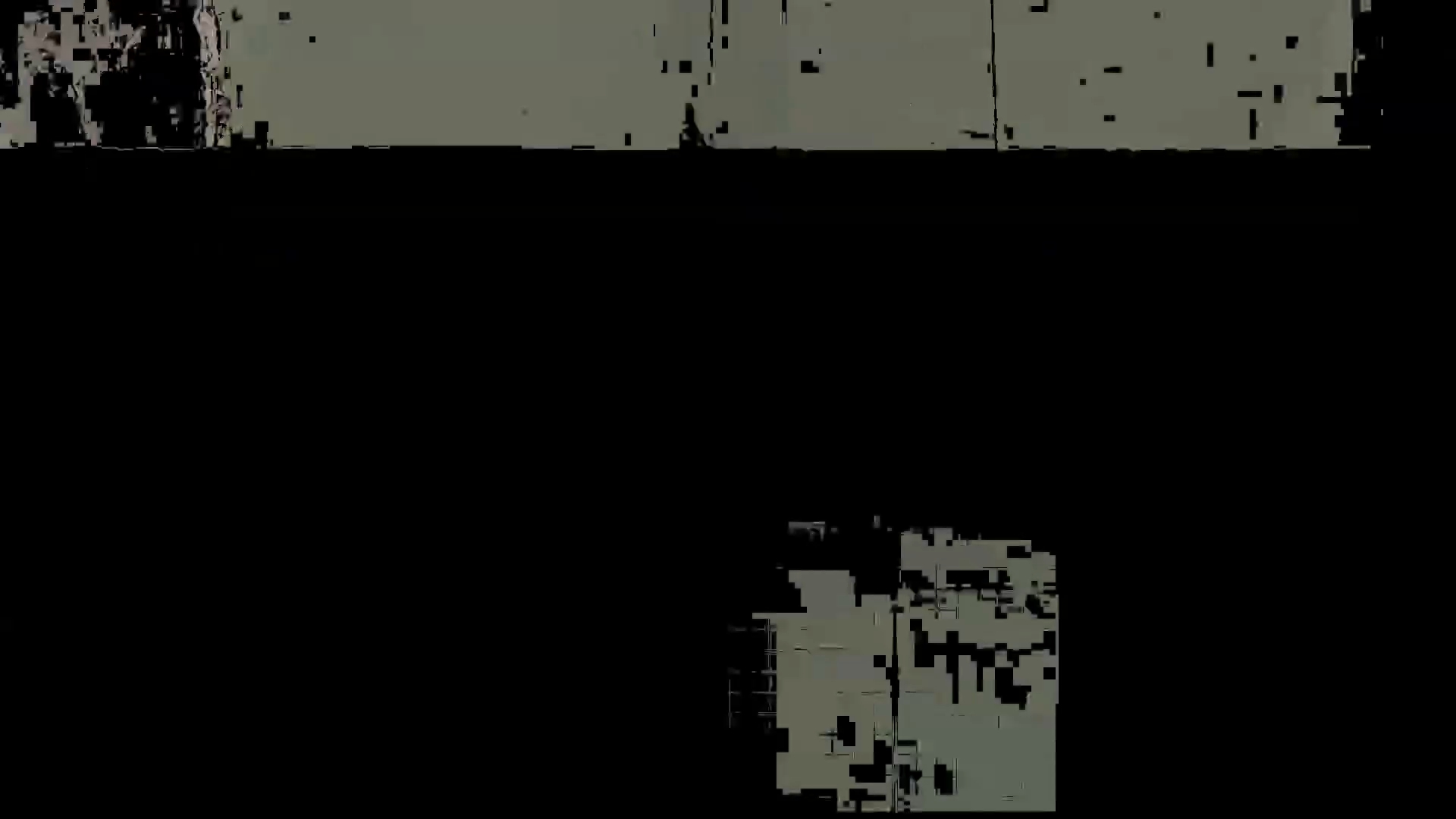
작업은 구글 맵 위에서 38선을 중심으로 마우스를 끊임없이 끌어당기는 행위의 반복으로 이루어진다. 왼쪽에서 오른쪽으로, 한 지점을 가로지른 후 지도를 확대하고 다시 가로지르는 이 과정은 점차 속도를 높여간다. 이와 동시에 화면에서는 의도적으로 색 정보가 빠져나가기 시작하며, 견고해 보였던 정보의 지도는 점차 빈 공간으로 변모한다.
현실의 공간을 구분 짓던 고유한 지형적 요소들은 사라지고, 오직 디지털이 규정한 '선'만이 남는다. 인터넷이라는 공간 속에서 렌더링(Rendering)이라는 필터를 거칠 때, 대상은 온전한 실체가 아닌 '부분'만을 부여받는다. 멀리서 조망할 때는 완벽해 보이던 지도였으나, 가까이 다가갈수록 소거되고 탈락한 빈 공간들이 드러난다.
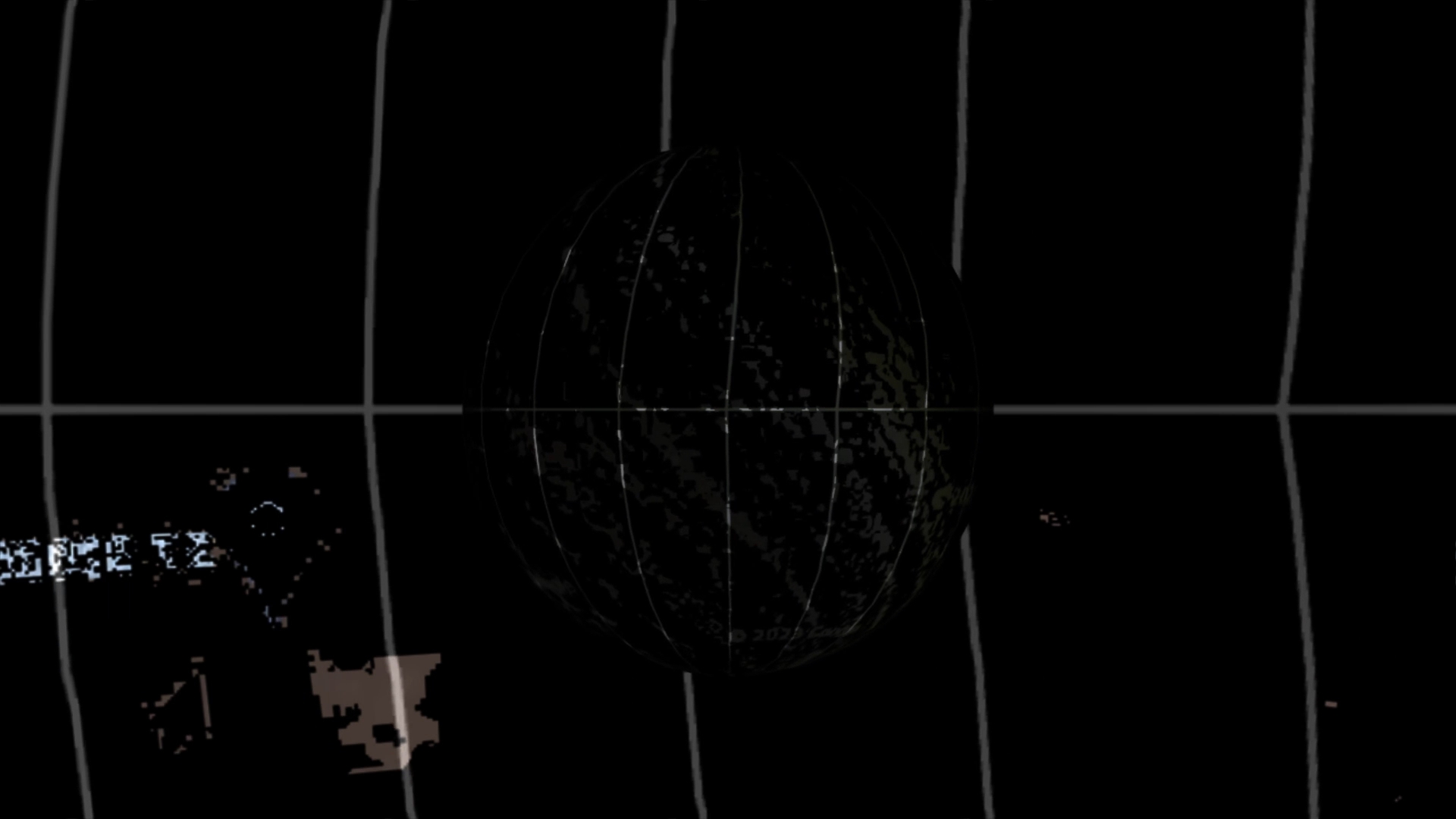
결국 모든 데이터 값이 빠져나가 사라진 어느 지점을 클릭했을 때 나타나는 ‘황해’라는 텍스트는, 우리가 보고 있는 디지털 이미지가 실제와 얼마나 동떨어져 있는지를 역설적으로 보여준다. 전혀 바다처럼 보이지 않는 그 빈 공간 앞에서, 나는 묻는다. 현실, 2D 지도, 그리고 디지털 지도로 이어지는 변환의 층위 속에서 우리는 과연 어디에 서 있는가.
Elimination
Today, we live relying more deeply on the 'mechanical sense' provided by satellite maps than on actual landscapes. In the process of converting three-dimensional real space into a digital interface via 2D maps, vast amounts of information are eliminated, and space is compressed flat. This work, Elimination, traces the things that inevitably drop out during this digital conversion process that we take for granted, and the senses of modern people who get lost in that 'flat world.'
The work consists of the repetition of endlessly dragging the mouse around the 38th parallel on Google Maps. Crossing a point from left to right, zooming in, and crossing again—this process gradually speeds up. Simultaneously, color information intentionally begins to drain from the screen, and the map of information, which seemed solid, gradually transforms into empty space.
The unique topographical elements that distinguished real space disappear, leaving only the 'lines' defined by the digital. When passing through the filter of rendering in the space of the Internet, the object is granted only 'parts,' not its whole entity. It was a map that looked perfect when viewed from afar, but as we approach, the erased and eliminated empty spaces are revealed.
The text ‘Yellow Sea,’ which appears when clicking a point where all data values have escaped and disappeared, paradoxically shows how far the digital image we are looking at is from reality. In front of that empty space that looks nothing like the ocean, I ask: Where do we stand within the layers of transformation leading from reality to 2D maps, and then to digital maps?